⭐ Introduction
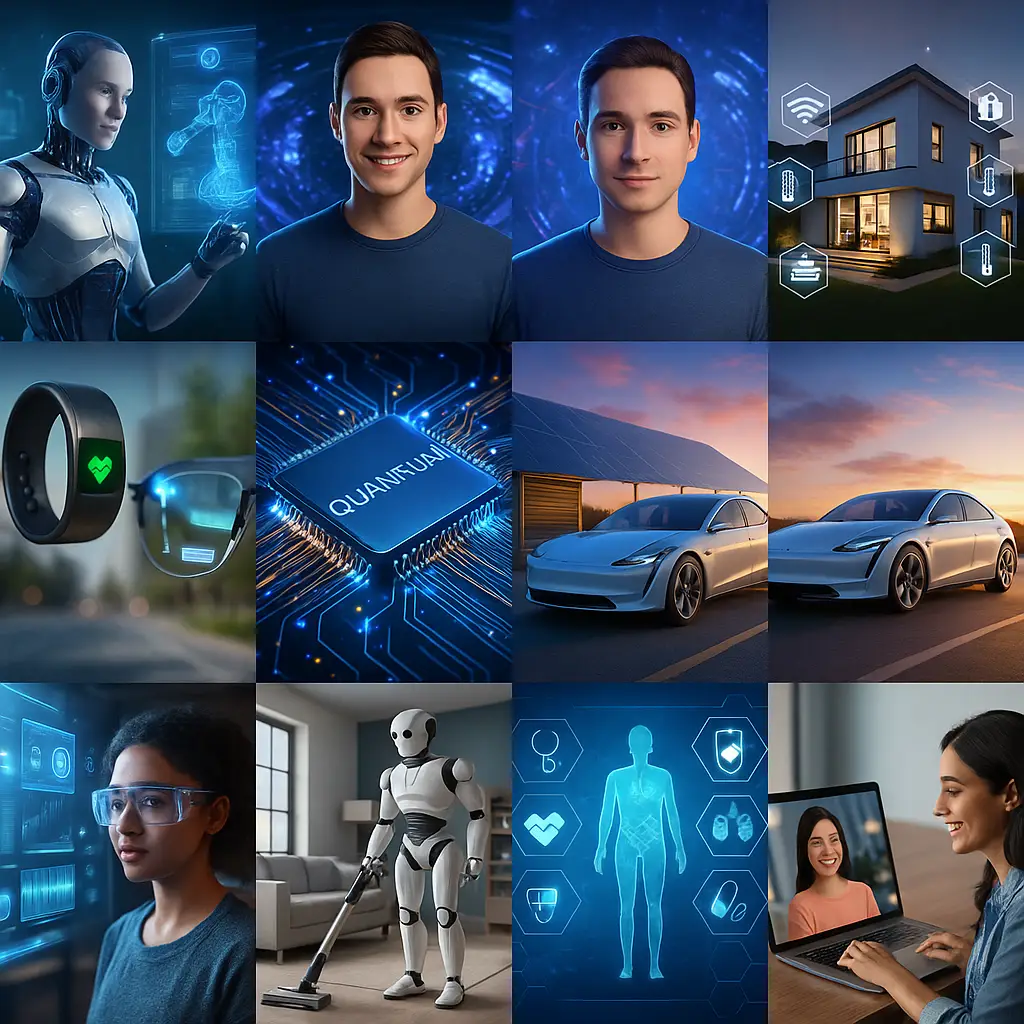
Technology is evolving faster than ever, and 2025 is expected to bring major advances in artificial intelligence, robotics, quantum computing, electric vehicles, digital health, and smart devices. These emerging technologies are changing how we work, communicate, travel, learn, and create. In this guide, we explore the top 10 future technology trends to watch in 2025 and explain why each one matters.
Here are the Top 10 Future Tech Trends of 2025 you should know.
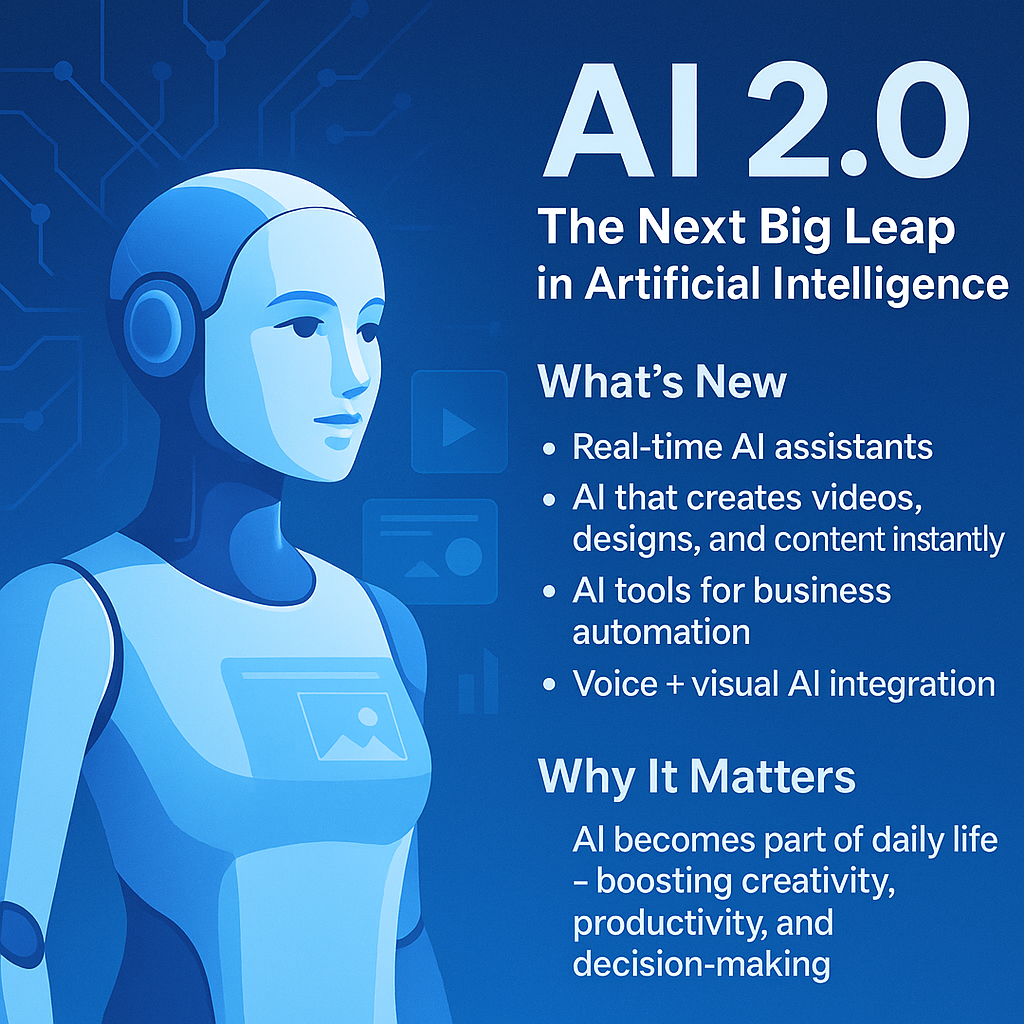
🚀 1. AI 2.0 – The Next Big Leap in Artificial Intelligence
AI in 2025 will be more powerful, more accurate, and more human-like.
What’s New
- Real-time AI assistants
- AI that creates videos, designs, and content instantly
- AI tools for business automation
- Voice + visual AI integration
Why It Matters
AI becomes part of daily life—boosting creativity, productivity, and decision-making.
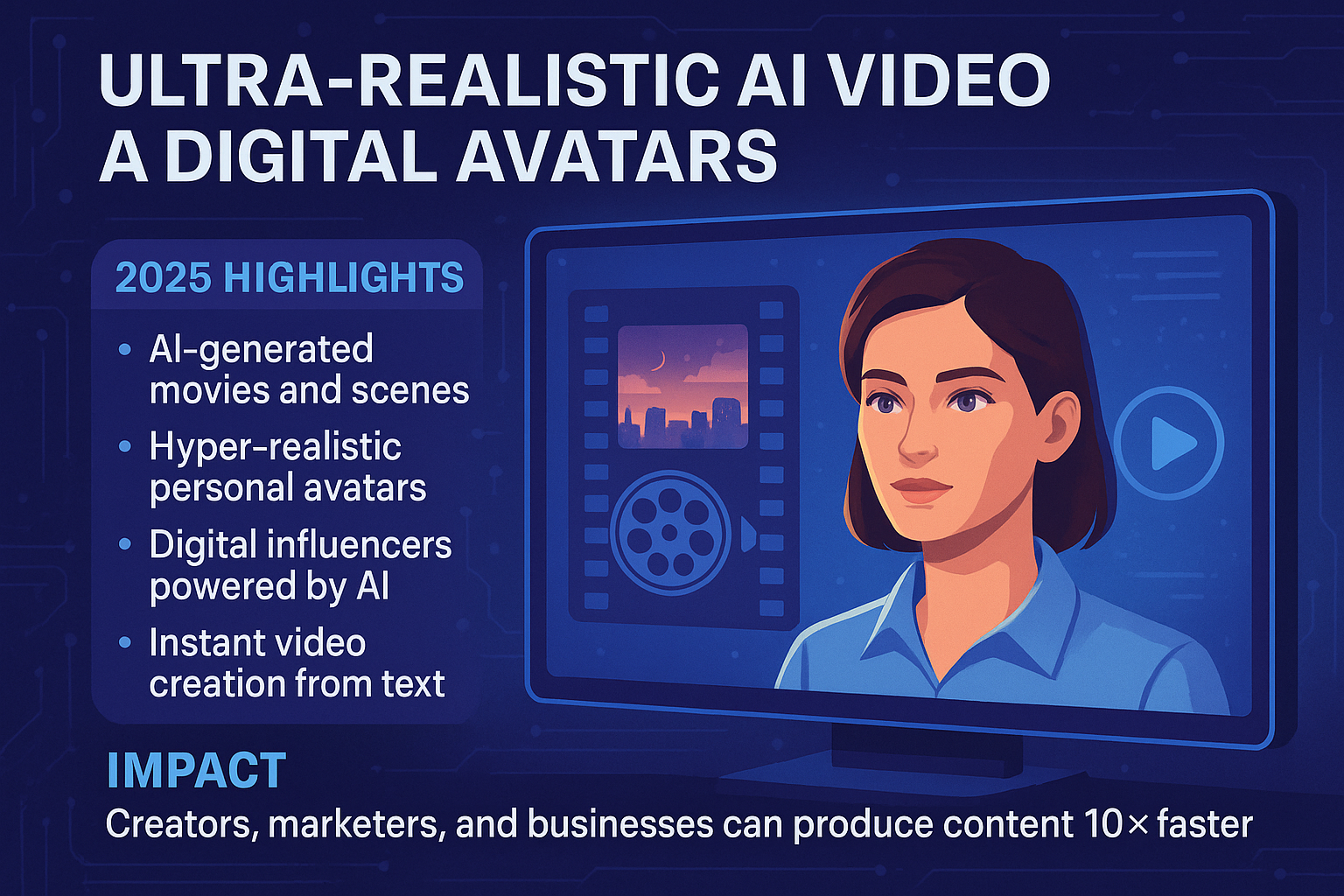
🎬 2. Ultra-Realistic AI Video & Digital Avatars
AI video generation is getting extremely advanced.
2025 Highlights
- AI-generated movies and scenes
- Hyper-realistic personal avatars
- Digital influencers powered by AI
- Instant video creation from text
Impact
Creators, marketers, and businesses can produce content 10× faster.
3.Quantum Computing – The Next Generation of Computing
What Is Quantum Computing?
Quantum computing is a new approach to computing that uses quantum-mechanical effects to process information. Unlike traditional computers, quantum computers use quantum bits, or qubits, which can represent information in ways that enable certain complex problems to be explored differently.
Why It Matters
Quantum computing could eventually help researchers work on problems that are extremely difficult for conventional computers. Potential applications include drug discovery, materials science, optimization, cryptography, and scientific research. Although practical large-scale quantum computing is still developing, progress in this field could have a major impact on future technology.
2025 Developments
- More powerful quantum processors
- Improvements in quantum error correction
- Growing investment in quantum research
- New applications being explored by businesses and researchers
4.Humanoid Robots – The Rise of AI-Powered Machines
What Are Humanoid Robots?
Humanoid robots are machines designed to perform tasks in environments built for humans. Modern robots are becoming more capable because of advances in artificial intelligence, computer vision, sensors, and robotics. They can be designed to walk, move objects, understand instructions, and perform repetitive tasks.
Where They Could Be Used
Humanoid robots could eventually assist in factories, warehouses, healthcare facilities, homes, and other workplaces. They may be especially useful for repetitive, physically demanding, or potentially dangerous tasks.
Why It Matters
As AI and robotics continue to improve, humanoid robots could change the way people work alongside machines. The technology is still developing, but improvements in movement, perception, and AI could make robots increasingly useful in real-world environments.
⚡ 5. Electric Vehicles & Smart Mobility
Why Electric Vehicles Are Growing
Electric vehicles are becoming more practical as battery technology improves, charging networks expand, and manufacturers introduce more affordable models. EVs can also help reduce dependence on traditional fossil fuels.
Smart Mobility
The future of transportation goes beyond electric cars. Connected vehicles, advanced driver-assistance systems, smart traffic management, and vehicle-to-grid technology could make transportation safer and more efficient.
What to Expect
Faster charging, better batteries, improved driving assistance, and more connected transportation systems are likely to shape the next generation of mobility.
🩺 6. Digital Health & Wearable Technology
— What Is Digital Health?
Digital health combines technology with healthcare to help people monitor, manage, and improve their health. Smartphones, smartwatches, connected devices, and health apps are making health information easier to access.
— Smart Wearables
Smartwatches and wearable devices can track activity, heart rate, sleep, and other health-related measurements. As sensors improve, wearables may become even more useful for personal health monitoring.
— Why It Matters
Digital health technology can support preventive care, remote monitoring, and more personalized healthcare experiences.